Category: Voice
-

Challenges with Adult Students
After teaching music for 22 years, I have learned that teaching adult students is very different from teaching children in a lot of ways. Adults have more responsibilities and obligations, more distractions, and not as much structure in place for practice time. I recently came across a great article about the challenges many adult students…
-
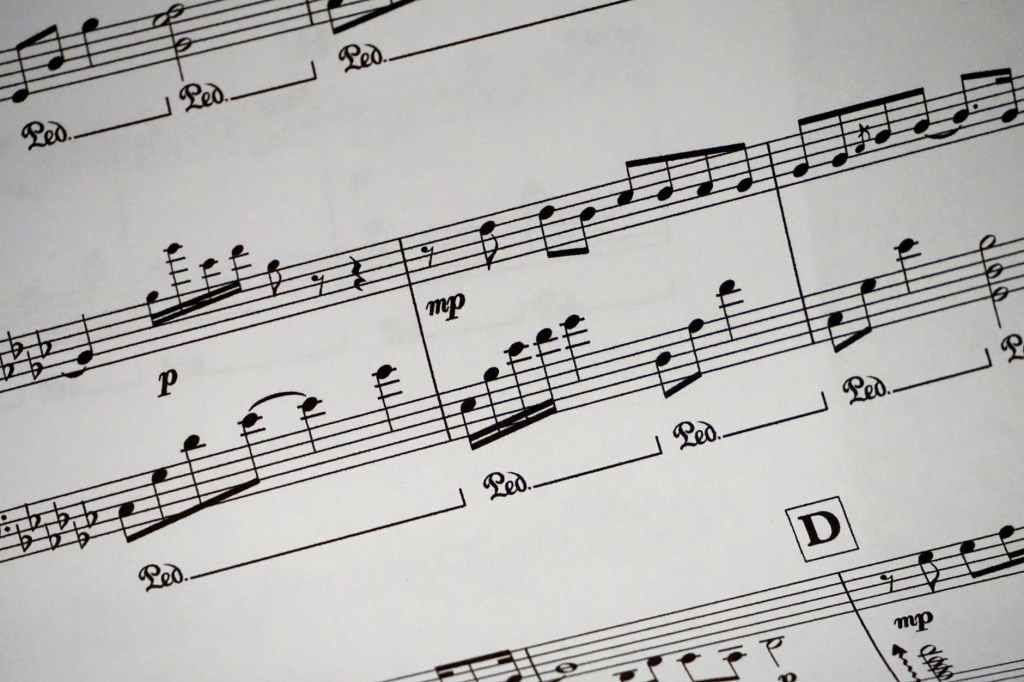
I got rhythm; how ’bout you?
Rhythm, rhythm, fascinating rhythm. Rhythm in music is super important. It’s a big part of what gives music interest. If all the notes were the same, it would get kind of boring real quick. A good, driving rhythm, pushes the music forward with excitement. A solid but laid back rhythm makes the music seem more…
-
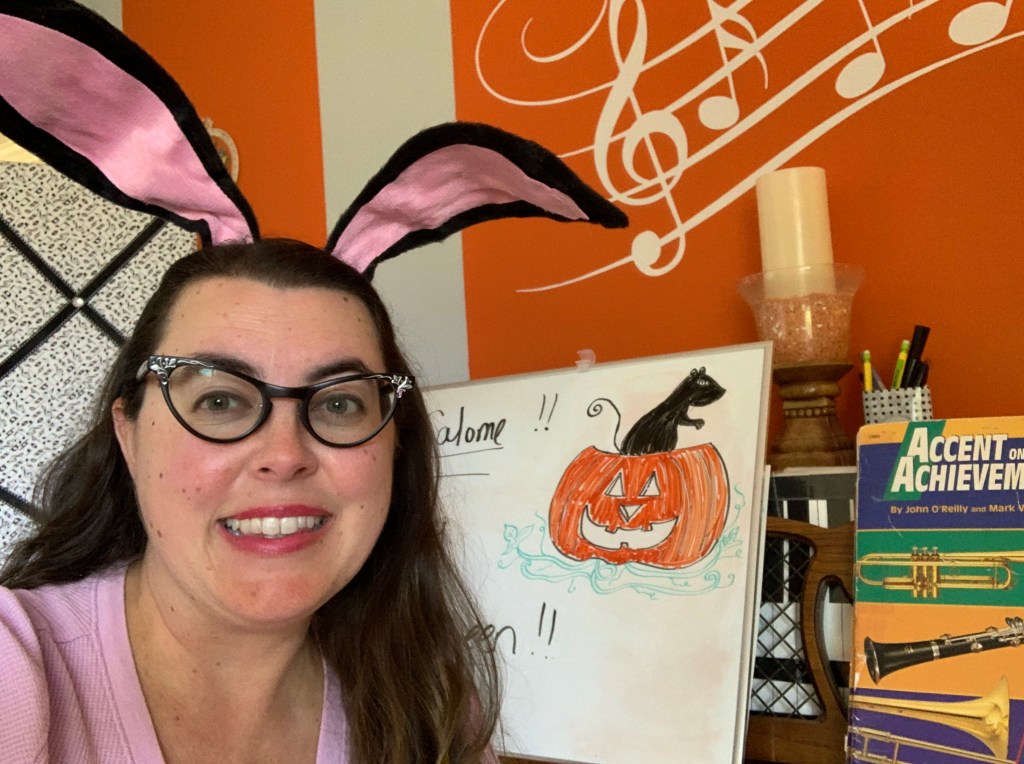
Online Lessons
Most of you may know that I teach my music lessons online and have been doing so since the start of covid-19. It seems that even in this day of technology, there are many people that are still hesitant about online lessons. They may be uncomfortable being on camera or are unfamiliar with the technology,…
-
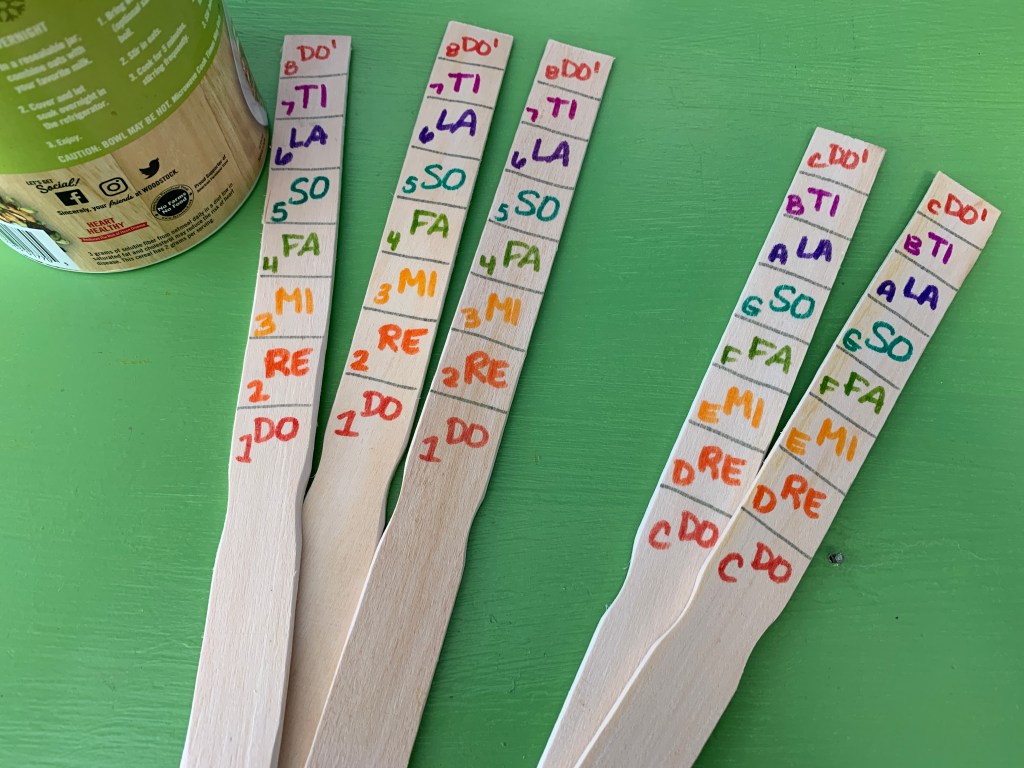
Singing Sticks
I recently attended a virtual music educator’s conference. There was a wealth of knowledge and ideas that I picked up there about how to better manage my classroom, ideas for virtual teaching, new songs and games and tools for students and teachers. A lot of fun stuff and some very creative teachers! One of my…
-

Ms. Donna’s Singing Room
My next virtual classroom focuses on singing! Just like my other virtual rooms you can click on various objects to discover something fun related to singing. This room includes some singing technique videos along with some tips for taking care of your voice as a singer. There is also a link to my YouTube channel…
-

Tongue Twisters
In singing, diction is very important. “What is diction?” you might ask. Diction is how we pronounce the words that we’re singing and pronouncing them clearly so we can be understood. When we are speaking, we have to enunciate to be understood but even more so when we sing. Most of our singing is done…
-

Sightsinging
Sightsinging is a valuable tool used to train your ears for singing. As a singer, you use your ears just as much as your voice. So, it’s important to train your ears to hear the right thing. In sightsinging, we use special singing syllables called Solfege. You might recognize these syllables as Do, Re, Mi,…
 Miss Donna 4 Music