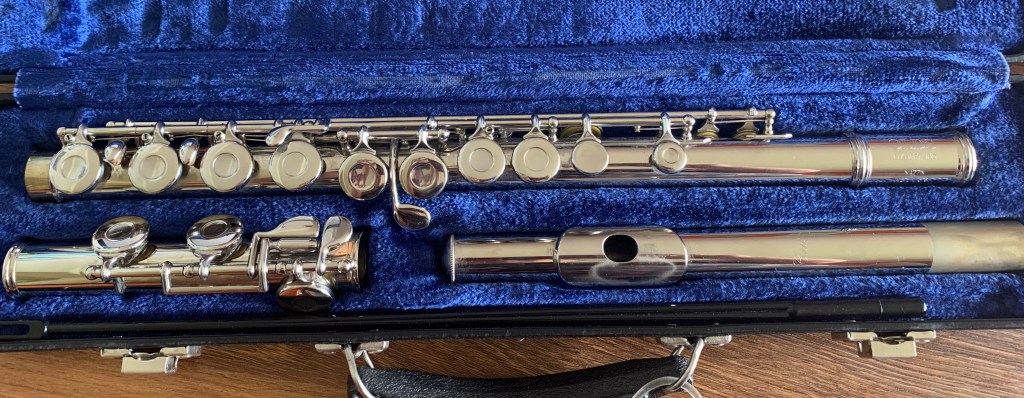
Learning to play the flute can be an exciting and rewarding experience. But when you’re first starting out it can also be somewhat difficult. There’s a lot to think about when starting any new instrument. You have to learn how to hold the instrument, how to put it together, how to read the notes, how to make a sound, how to control your breathing, which fingers to use, and a myriad of other things that go along with making music. It can be a little overwhelming and you might feel as if you’re ready to give up before you even get started.
For the flute specifically, the hardest part is learning how to make a nice, consistent sound. And, of course, making a sound is the first thing we learn. Once you get past that, the rest will come with time and practice.
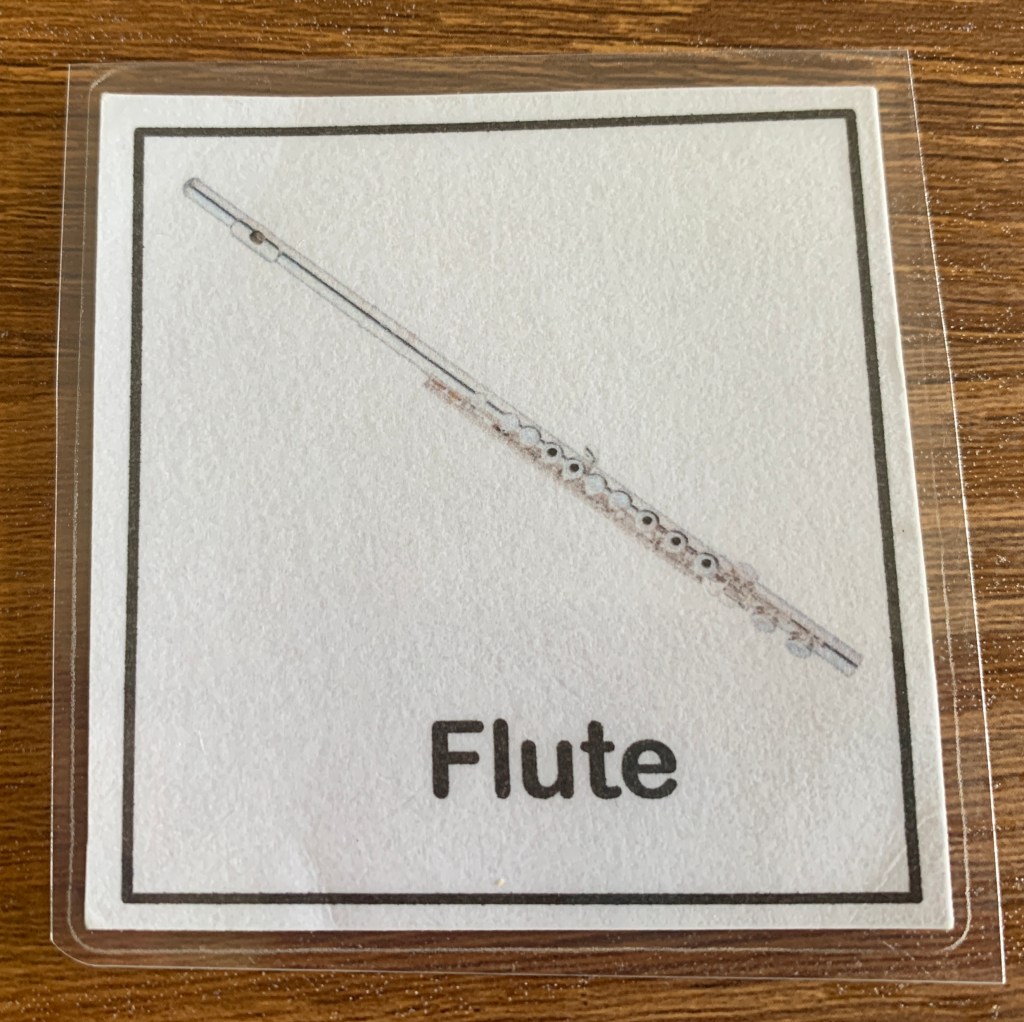
If you want to take flute lessons (which is highly recommended, and I have lots of lessons slots available if you’re interested!), you will probably begin the first lesson by talking about the parts of the flute. The flute usually comes in three parts: the head joint, the body, and the foot joint.
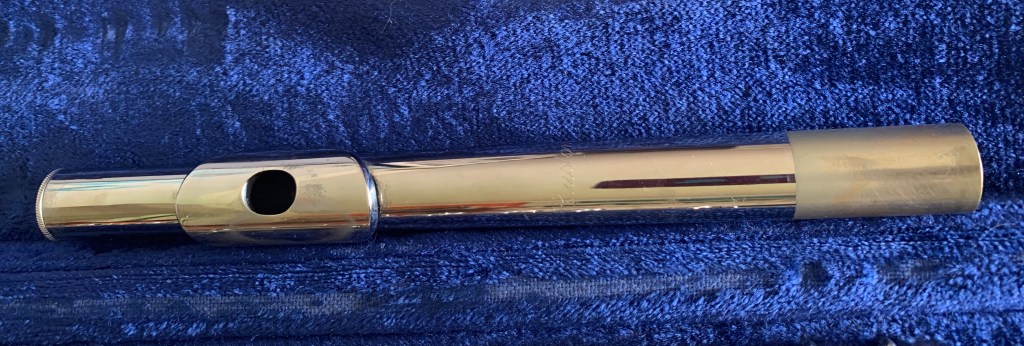


In our first couple of lessons, we will be using only the head joint. This way we can focus only on making that first sound and not have to worry about anything else. We will learn how our mouth is supposed to be shaped in order to make good sound and where the mouthpiece should rest on our mouth.
I recently attended a virtual music educator’s conference and gained a few new teaching techniques and ideas. Among them, was a unique way to expand those first couple flute lessons by creating musical patterns using only the flute head joint and your index finger, as a way to get more practice at the initial sound before having to think about the rest of the flute.
We begin by learning to make 3 sounds. The first sound is made by blowing into the head joint with nothing else going on. By just barely inserting your index finger into the opening of the head joint, it makes a slightly lower sound. This is our 2nd sound. For the 3rd sound, insert the index finger a little more, up to the 2nd knuckle. If you wanted to make a bonus 4th sound, insert your index finger all the way! But be careful not to get it stuck!
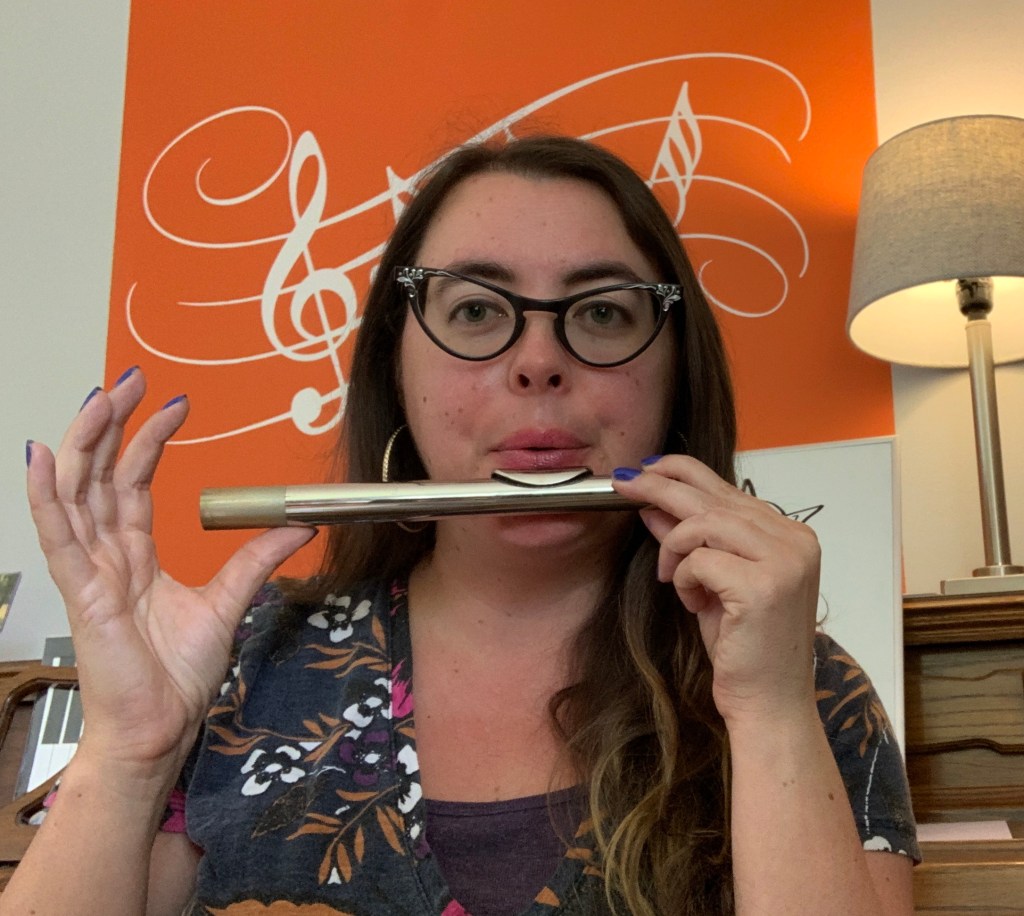


By using this method, there are a number of patterns and mini songs you can create just with the head joint that will ensure you can make a great flute sound and prepare you for the next step of adding the rest of the flute and fingers!
Below you will see 3 sets of exercises that we will use in our first couple lessons to get us started learning to play the flute! For more details about how they work, be sure to sign up with me for lessons through TakeLessons.com (https://takelessons.com/profile/donna-w6).

 Miss Donna 4 Music